Oops! Something went wrong while submitting the form.

From a child who will not keep earmuffs on to a buyer checking a test report or a crew working around machinery, start with the situation that brought you here.
The basics that are easy to skip: rating, fit, paperwork and how the earmuffs will be worn.
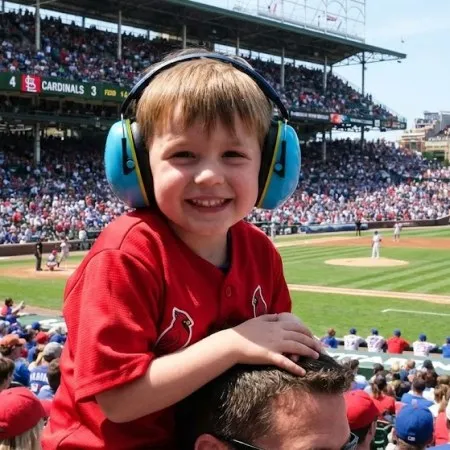
A good rating does not help if the earmuffs come off after ten minutes. Look at child fit, comfort and the settings where they need to stay on—from school to travel.
Fit, comfort and everyday wear
A certificate on its own does not tell the full story. Check which market the report covers, what it was tested for and whether it matches the model you plan to buy.
What a report should show
Earmuffs, earplugs and dual protection each bring a different compromise. Compare them around heat, glasses, supervision and the fit people can keep for the whole task.
Where each option can fail
The number on the box is not what reaches the ear by itself. See how the cushion seal, cup design and headband change protection once the wearer moves.
Why the seal changes the rating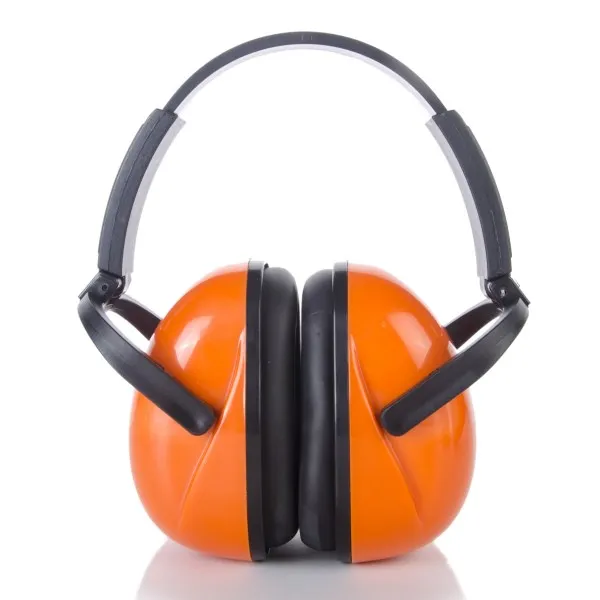
3M PELTOR, Honeywell, Walker’s and ISOtunes are often compared as though they serve the same job. This guide separates brand recognition from the features buyers need to weigh.
How the brands differA factory shift, a firing line and a day with power tools create different noise, fit and communication problems.

The best industrial choice is one people can keep using correctly through the job. This guide ties exposure, task rules, communication and the other PPE together.
Make PPE work together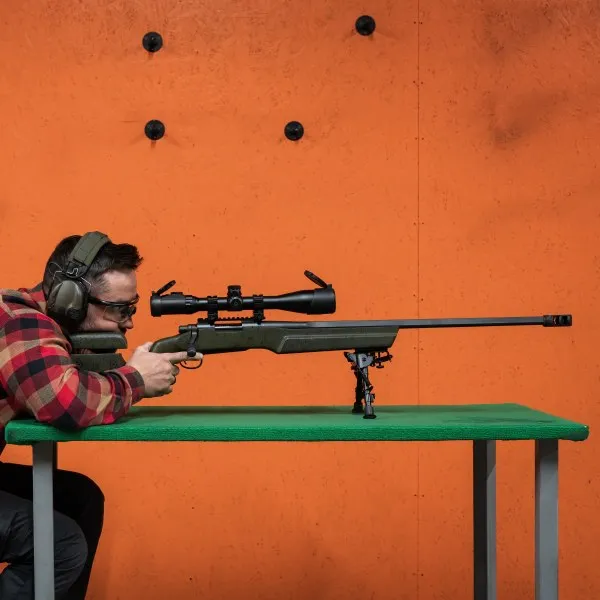
Range noise is sudden, sharp and not forgiving. This guide covers indoor lanes, electronic muffs, rifle clearance and when plugs under muffs deserve serious consideration.
Build a range setup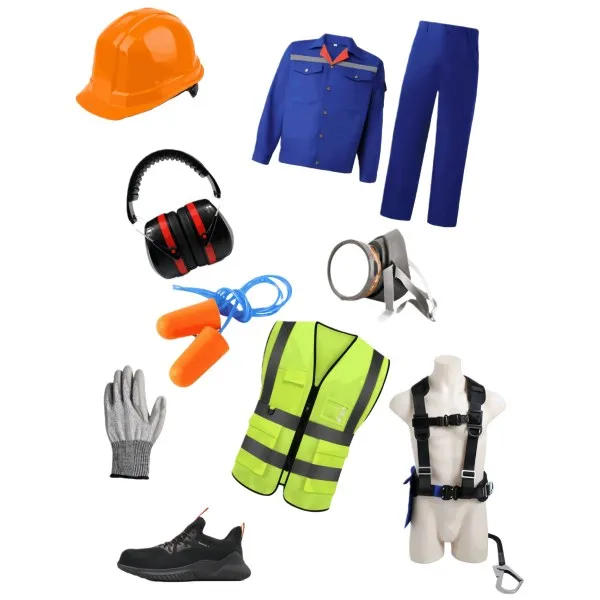
Before a PPE kit reaches the floor, its pieces need to work together. Use this six-part check to map hearing, eye, head, foot, hand and hi-vis protection to the hazards.
Check the kit before site use
Mowers, blowers and saws create different noise and different fit problems. This guide focuses on long outdoor hours, helmet-mounted options and the small failures that show up in the field.
Choose around the tool and helmetChoose the guide for testing a pair at home, preparing for fireworks or storms, or fitting a dog for work near gunfire and machinery.

No pair makes a dog soundproof. This guide explains what muffs can soften, where fit fails, and why a calm trial before the event matters.
What muffs can and cannot do
Do not make the first fitting part of the fireworks show. This guide helps you build short, calm practice sessions and prepare the room before the noise arrives.
Before the noise starts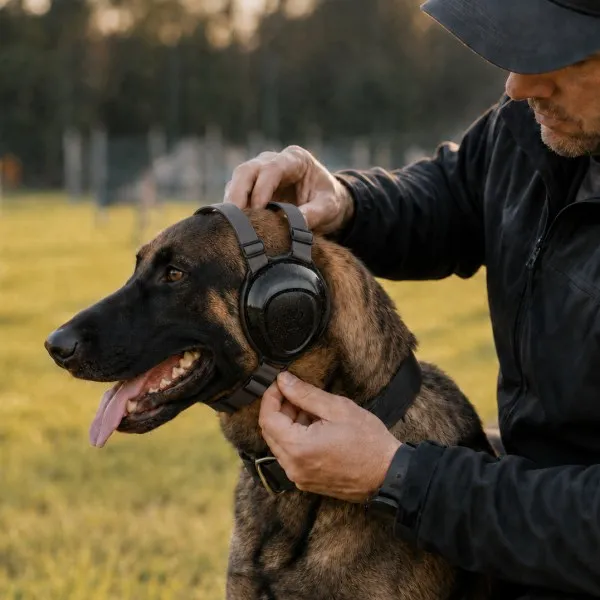
Field dogs cannot simply leave the noise. For work near gunfire, engines or machinery, this guide focuses on a secure fit, clear handler cues and practice away from the field.
Secure fit for field workA clear brief beats a long product list. Share the wearer, use setting, target market and packaging direction; we’ll point you to the sample versions worth checking first.