
Ear protection for lawn care, landscaping and tree work
From weekend lawn care to all-day landscaping and chainsaw tree work, outdoor power tools sit in the range that can wear down hearing over time. Start with the job you do, then choose the setup that fits the tool, heat, helmet and crew routine.
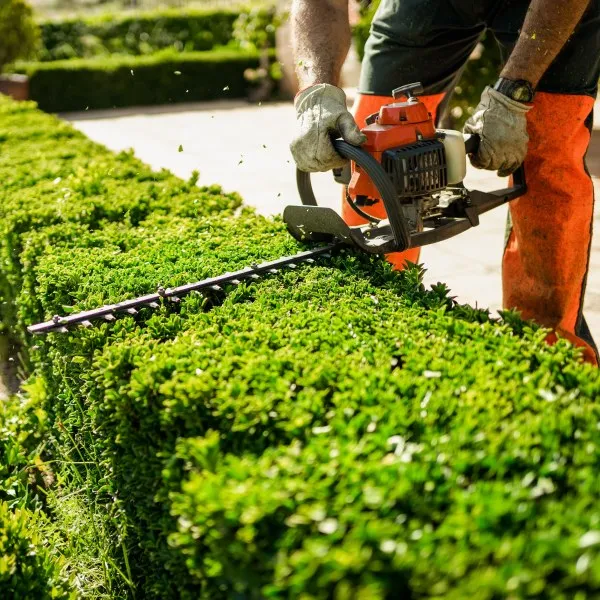
At a glance
For mowing, trimming and leaf-blower cleanup, choose comfortable earmuffs or earplugs that seal well enough to stay on for the whole job.
For all-day outdoor work, light weight, heat control and spare plugs matter as much as the NRR number.
Use a hard hat, visor and helmet-mounted earmuffs as one system, then add plugs under the muffs for long cuts or chipper work.
Where mowers, blowers and chainsaws land on the noise scale
Outdoor tool noise often feels routine, but the dose builds over a workday. NIOSH uses 85 dBA over an 8-hour day as its recommended exposure limit, and powered lawn and tree tools often sit at or above that line.
How to read it: a mower can reach the protection zone during longer jobs. Chainsaws and chippers belong in a higher tier; OSHA sawmill noise guidance gives chain saw noise as a high-noise reference in mill settings, so tree work should not be treated like ordinary garden noise.
Quick guide: protection by job
Start with the work you do most often. A quick mow, all-day cleanup and chainsaw cutting create different noise doses, so the hearing protection setup should change with the job.
| Your job | Main tools | Sensible setup |
|---|---|---|
| Weekend lawn care | Mower, string trimmer, leaf blower | Comfortable earmuffs or earplugs; Bluetooth or radio muffs are optional if the protection rating and fit are right |
| Landscaping crew, all day | Multiple tools, long shifts, heat | Lightweight, vented safety earmuffs; spare plugs for the loudest stretches and backup stock for crews |
| Tree pruning and chainsaw work | Chainsaw, chipper, felling, debris | Safety helmet with visor and earmuffs; add plugs under muffs for long cuts or chipper work above 100 dBA |
Find your job
The same tools can mean different risk. A homeowner, a landscaping crew and a forestry team need different answers because the daily noise dose, heat and PPE combination are different.
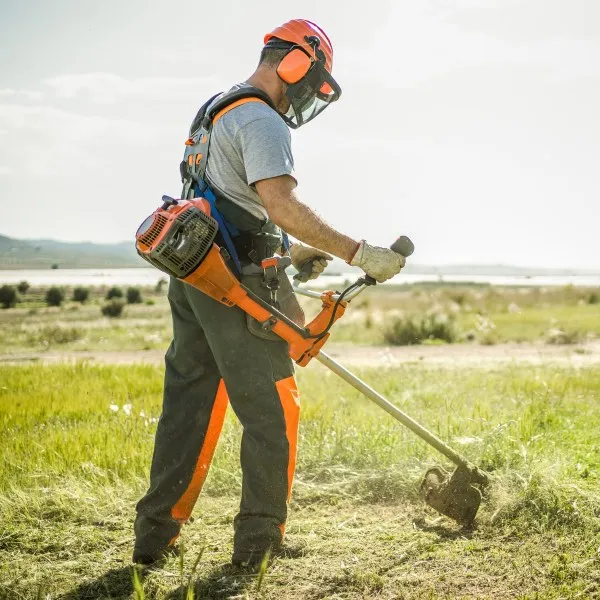
Homeowner, mowing and tidying
A mower, trimmer and blower can turn a casual Saturday into a loud session. Keep one comfortable pair where you can grab it before the first pull start.
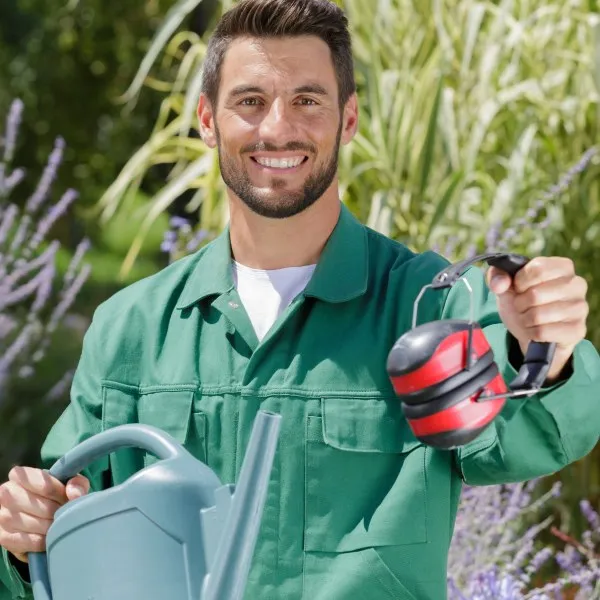
All-day grounds and garden work
Eight hours across mowers, blowers and trimmers means the dose stacks up. Comfort decides whether protection stays on past lunch, so heat, weight and crew communication matter as much as the rating.
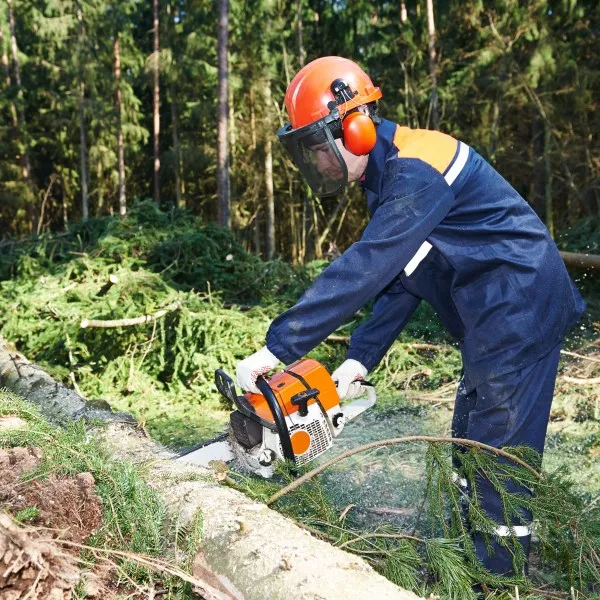
Chainsaws, chippers and felling
This is the loudest outdoor tier and the one where flying chips and falling branches matter as much as noise. Separate earmuffs are not the usual answer for active chainsaw work because head, eye and hearing protection all need to work together.
The chainsaw helmet system, part by part
Chainsaw work is not solved by earmuffs alone. Build the setup around the helmet: hard hat, mesh visor or face shield, and helmet-mounted earmuffs. Add earplugs under the muffs for long cutting sessions or chipper work.
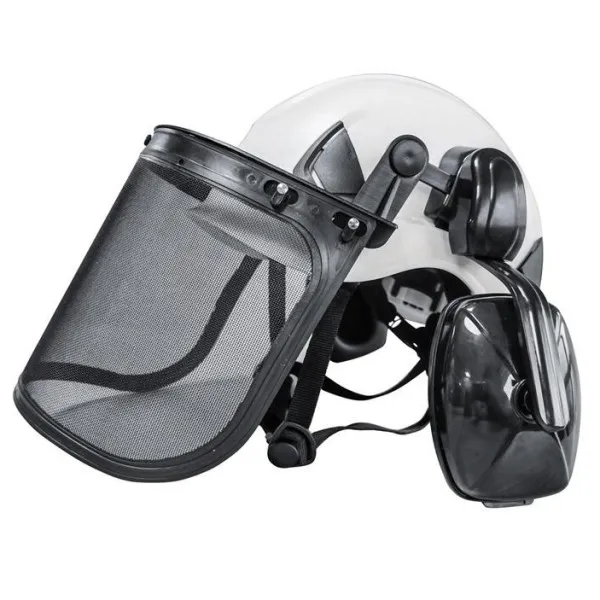
For private-label or distributor projects, send the hard hat model, side-slot photo, visor type and target market. SafeMuff can check sample fit before production through our helmet-mounted earmuffs line.
What actually goes wrong outdoors
Outdoor work breaks hearing protection in ways an indoor workshop does not. These are the failure points that usually explain why a rated earmuff feels weaker in real use.
Heat and sweat
Hot days make people loosen or remove muffs. Vented cups and sweat-friendly cushions help, but sun-hardened cushions should be replaced because they leak.
Safety glasses and sunglasses
Eyewear arms pass under the cushion and can break the seal. Softer, wider cushions close that gap better, which matters because outdoor work usually needs eye protection too.
Caps, hoods and hard hats
A cap brim or hood under the band lifts the cushion off the skin. When a hard hat is required, helmet-mounted earmuffs are usually cleaner than forcing over-head muffs into place.
Stop-start tool use
Intermittent work feels less risky than steady factory noise, so people skip protection. Judge by the tool and total workday, not by how short the current pass feels.
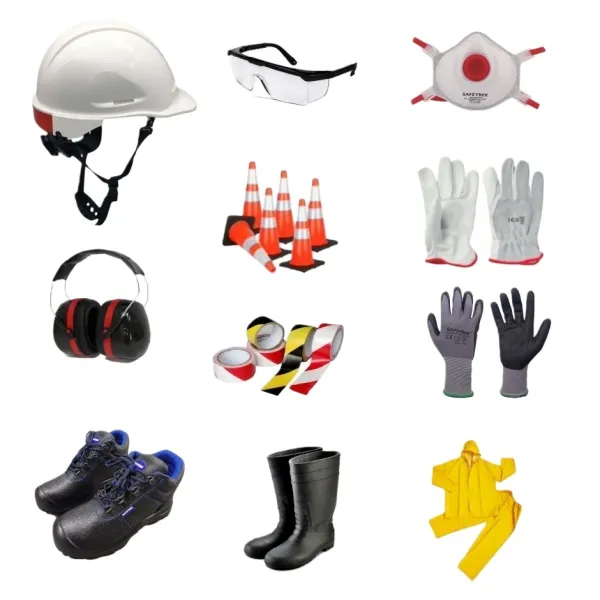
Pair it with the rest of the outdoor PPE kit
Hearing protection is only one part of outdoor tool work. Keep the rest of the kit close to the real hazards: chips, branches, blades, wet grass and slopes.
Need the full crew PPE checklist? See our industrial and construction PPE guide.
Supplying earmuffs for lawn, grounds and forestry crews
SafeMuff manufactures passive safety earmuffs for lawn and grounds work, optional Bluetooth or radio earmuff programs for mowing-focused brands, and helmet-mounted earmuffs for chainsaw and forestry use. Stock colours, logo, packaging, samples and private-label and wholesale bulk orders can be matched to the job and target market.
See safety earmuffs Helmet-mounted earmuffs Request samples