Dog hearing protection · Evidence guide
Do dog ear muffs actually work?
A straight answer to what dog ear muffs can do, what they cannot do, and why fit matters more than any printed rating.

Dog hearing protection · Evidence guide
A straight answer to what dog ear muffs can do, what they cannot do, and why fit matters more than any printed rating.

The short answer
Yes — when the noise is the problem and the fit is right. Dog ear muffs reduce the sound that reaches a dog’s ears. They do not make a dog soundproof, and they do not treat anxiety by themselves. A pair is only useful if the cups seal, the size is comfortable, and the dog keeps them on.
An ear muff works by covering the ear with a cup, cushion and soft inner material. The cup blocks part of the sound path. The cushion creates the seal. If that seal opens, sound leaks in and the result drops quickly.
NRR and SNR ratings are measured for human hearing protection. A dog’s head shape, ear position and wearing behaviour are different, so those numbers are product clues, not a direct promise for a dog. Fit on the dog matters more than the number on the label.
For the deeper acoustics, see how earmuffs reduce noise — especially the sound path, cushion seal and real-world rating loss.
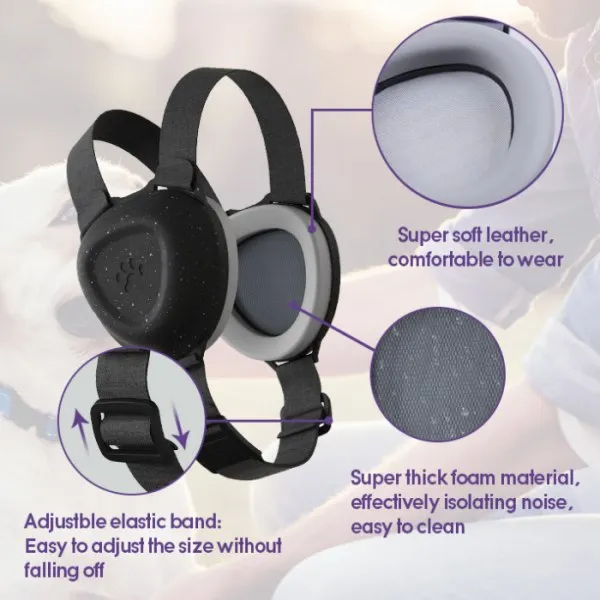
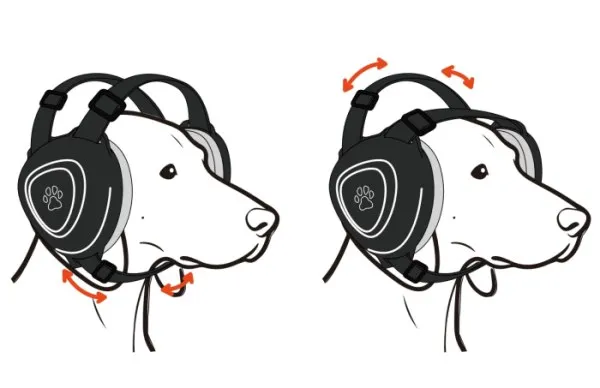
Most bad results come from fit, not from the idea of ear muffs itself. Four checks decide whether a pair has a real chance to help.
The cup needs to sit against the head without open gaps.
Too loose slips. Too tight gets rejected. Head shape and ear position matter.
Soft, steady contact gives the seal time to do its job.
Short sessions before the loud event work better than first-time use during panic.
The cleanest way to judge them is to separate noise reduction from behaviour support.
A sealed pair can take the sharp edge off sudden noise and make the moment easier to manage.
They lower volume. They do not remove all sound or replace veterinary or behaviour support.
SafeMuff makes hearing protection. We do not give veterinary advice. If a dog’s fear response is severe, worsening or unsafe, speak with a vet or qualified behaviourist.
Dog ear muffs make the most sense when loud sound is the clear trigger. For fireworks-night timing or storm preparation, use the dedicated fireworks and thunderstorms guide.
Use them as one part of a calm setup, not the whole plan. For timing and preparation, read the fireworks and thunderstorms guide.
They can be worth trying when the noise is temporary, the dog is supervised and the fit stays stable. For working and field dogs, see our guide to hearing protection for hunting and working dogs.

Start with fit, comfort and supervised use. A higher rating on paper is not enough if the muff cannot seal or the dog will not keep it on.
The cups should cover the ears and stay stable without pinching. Try short, calm sessions first.
For sizes, samples, MOQ and private-label work, start with SafeMuff’s dog earmuff range.
Yes, when the noise is the problem and the fit is right. Dog ear muffs reduce the sound reaching the ears, but the result depends on the seal, the size, the pressure and whether the dog keeps them on.
No. They lower sound; they do not make a dog soundproof. The goal is to soften sharp noise peaks, not create silence.
Most failures come from an open seal, the wrong size, uncomfortable pressure or first-time use during the loud event. Fit and gradual introduction matter more than a rating printed on the product.
No. They can reduce the noise that contributes to the reaction, but they do not treat the underlying anxiety. For serious or ongoing fear, speak with a vet or qualified behaviourist.
The cups should cover the ears and sit stable without pinching. The fit should follow head shape and ear position, not only breed or weight.
No. Use them for short, supervised periods around loud noise, then remove them once the noisy period has passed.
SafeMuff supplies stock and custom dog ear muffs for brands, distributors and pet businesses. Compare models, sizes and sample options before a private-label run.