
Hearing protection for hunting and working dogs
A working dog can’t walk away from the noise — it has to hold steady beside gunfire, machinery or engines while still listening for commands. That puts a harder job on ear protection: cut the sharpest peaks without drowning out the handler, stay secure while the dog moves, and be introduced long before any live work.
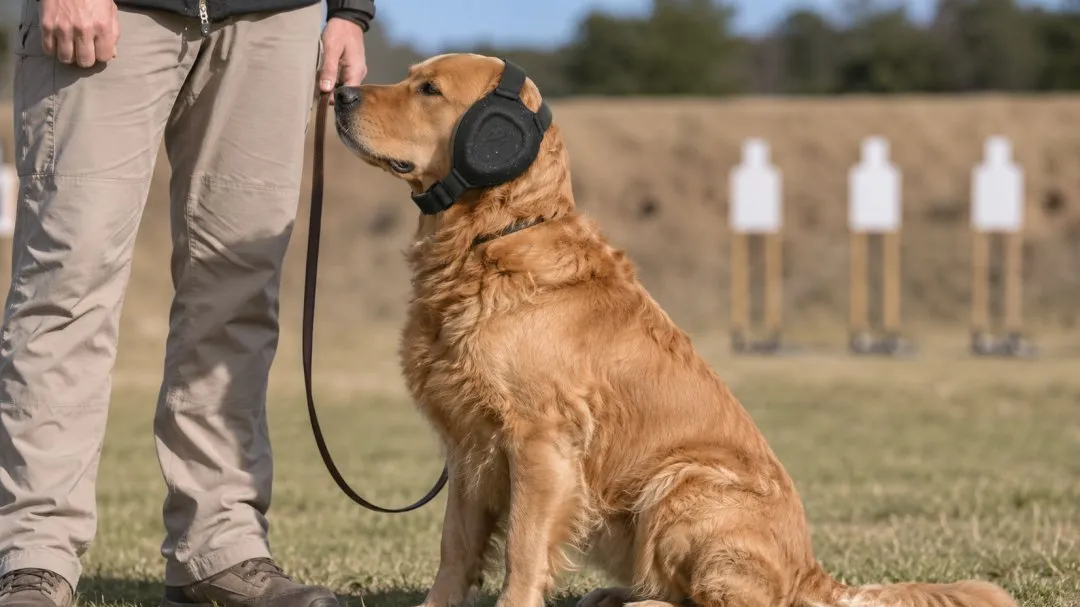
For dogs working near gunfire, machinery or repeated field noise, ear muffs can lower the sharpest peaks — if they stay secure while the dog moves and still let it hear commands. They reduce noise; they do not replace handler training, and not every dog will accept them. Whether they help comes down to a secure field fit, clear handler control and a gradual, supervised start.
Who this is for
Field and working noise means gunfire on a range, repeated shots during hunting and gundog training, machinery, vehicles and other loud equipment around a working site. The guide is for shooters working alongside a dog, gundog and field trainers, and handlers of working, service and detection dogs — not for a pet reacting to fireworks or thunder at home.
Not every working dog needs hearing protection all the time. It earns its place when a dog is close to loud, repeated noise it cannot move away from, and when the handler can fit and supervise it properly.
How gunfire and field noise affect a dog
Gunfire is impulse noise: it arrives suddenly, peaks hard and is gone before a dog can react. In the field that pattern repeats through a session, and the direction is rarely predictable, so the dog cannot brace for it the way it might for a steady sound. Machinery and engines are the opposite — continuous rather than sudden — but the exposure can run for hours.
Loud, repeated noise like this can be hard for a dog to work around. A sealed cup can soften the sharpest peaks, but field use has one extra condition: the dog still needs to hear the handler and stay steady. For the general fit-and-seal explanation, see whether dog ear muffs work.
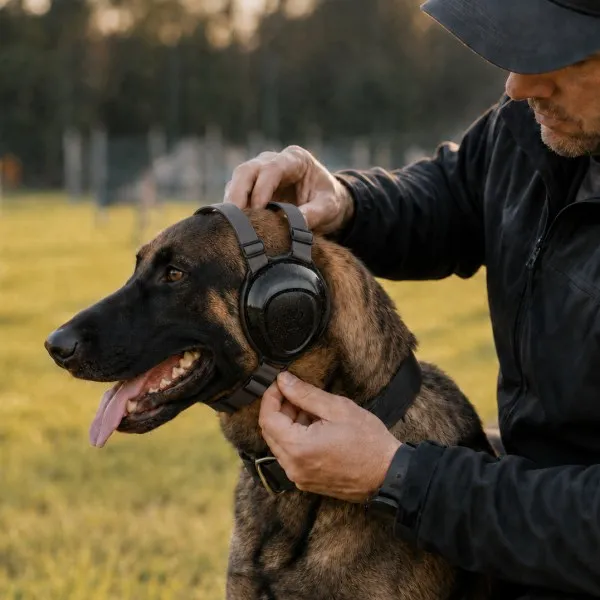
When handlers reach for ear protection
These are the settings where ear protection has a clear job to do:
A dog steady at heel beside repeated shotgun or rifle fire, often for a full session.
Drills with repeated gunfire, where a dog is worked close to the shooter over time.
Working sites with generators, power tools or engines running for long stretches.
Working and service dogs moved by vehicle or aircraft, where engine and rotor noise is sustained.
A handler’s field checklist
In the field, fit and control matter more than anything on a spec sheet. Four things to get right before you rely on muffs on a working dog:
The fit has to hold through a run, a shake and a retrieve. Check the cups still seal after the dog moves, not just standing still.
Muffs lower peaks, not every sound. Confirm the dog answers your cues with them on, in a quiet place, before any live work.
Keep wear supervised and take the muffs off between drills. They are working kit, not something a dog wears unwatched.
Build it up at home first — sniff, short wears, treats. A dog meeting muffs for the first time at the range will usually fight them.
Where ear muffs stop and training starts
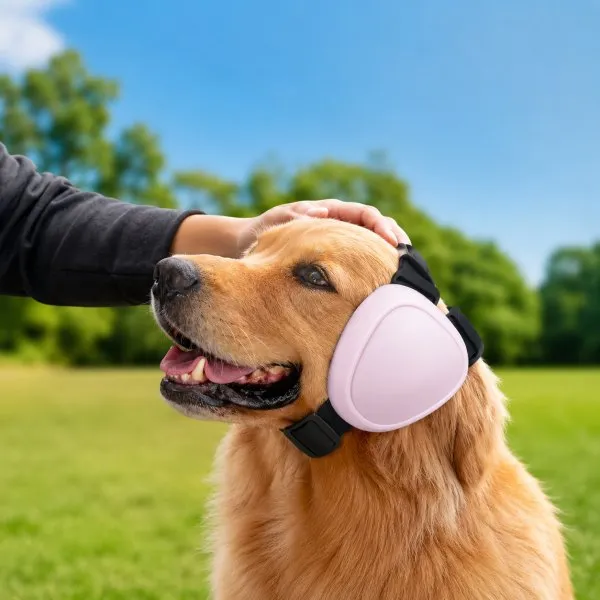
Ear muffs can support a dog that is already steady around work noise. They cannot make an unsteady dog safe around gunfire, and they are not a guarantee against hearing damage. If you are worried about a working dog’s hearing or response to noise, talk to a vet or a qualified trainer before the next field session.
Kitting out a club, kennel or field team
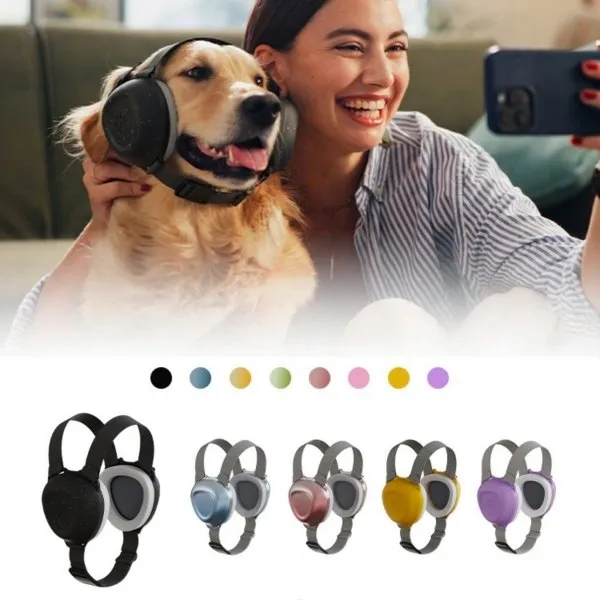
Gun clubs, gundog trainers, working kennels and field-sports distributors usually need several secure sizes, not a one-off guess. SafeMuff makes dog ear muffs at the factory, with samples first and the option to run them under your own label. Start with the SafeMuff dog earmuff range for model sizes, MOQ and lead time. For the handlers’ own hearing protection on the range, we also make electronic ear muffs.
Request a sample for your dogs
Start with a sample to check the fit on a working dog, then scale to your sizes.