
Ear protection for shooting: how to choose by noise, range and firearm
Gunfire is impulse noise loud enough to damage hearing from a single shot. Start with a dependable seal, enough NRR for the range, and a fit that still works with the firearm you shoot.
Jump to: earmuffs, earplugs or electronic →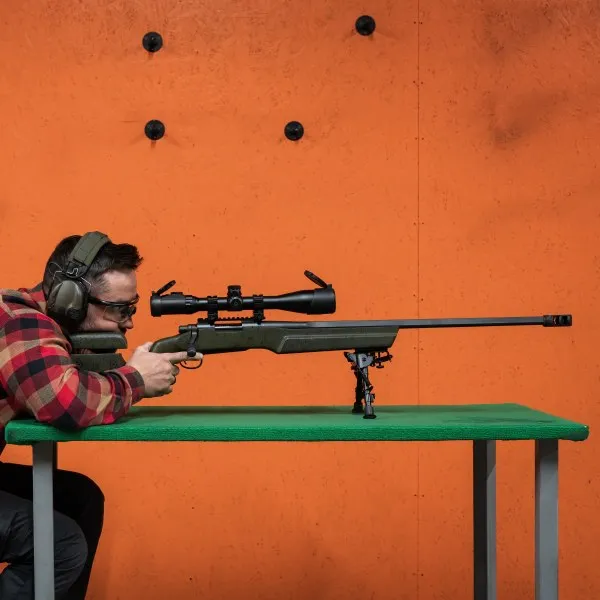
For shooting, the best hearing protection is the one that seals every time you mount the firearm. Over-ear earmuffs give the easiest repeatable fit; electronic earmuffs add range commands and conversation; earplugs stay low profile and work well under muffs.
For loud indoor ranges, muzzle brakes or magnum calibres, wear plugs and earmuffs together. For rifles, choose a low-profile cup so the stock does not lift the cushion off your ear.
How loud a gunshot really is
A gunshot is not normal background noise. It is a short impulse peak, and small-calibre firearms can reach roughly 140 to 175 dB peak SPL depending on firearm, ammunition, barrel length and range layout. NIOSH also reports firing-range peak levels above 160 dB and recommends double protection for high-noise range conditions.
That is why shooting protection is judged differently from everyday earmuffs: it has to handle sharp peaks, repeat after repeat, without the seal breaking.
| Source | Planning peak level | What it means for protection |
|---|---|---|
| Conversation | ~60 dB | Reference point — no shooting protection comparison |
| Rimfire | ~140 dB | Already at the range where impulse-noise caution matters |
| Handgun / pistol | ~155–165 dB | High peaks; indoor lanes make it harsher |
| Rifle | ~155–170 dB | Muzzle blast plus cheek-weld fit issues |
| Shotgun | ~150–165 dB | Repeated sessions add up quickly |
| Indoor range | + reverberation | Reflected sound — plan for double protection |
Planning ranges vary by firearm and environment. OSHA's occupational noise standard says exposure to impulsive or impact noise should not exceed 140 dB peak SPL; treat shooting as a high-risk noise case, not a comfort accessory.
What NRR you actually need at the range
NRR is the US lab rating printed on many hearing protectors. It is useful for comparison, but real-world attenuation is usually lower than the label because hair, glasses, movement and cheek weld all affect the seal.
Most shooting earmuffs sit around NRR 22 to 31. For typical outdoor ranges, a stable seal matters more than chasing one extra number. For loud indoor bays, magnum handguns or muzzle brakes, the stronger practical move is plugs plus earmuffs.
Earmuffs, earplugs or electronic: which to wear
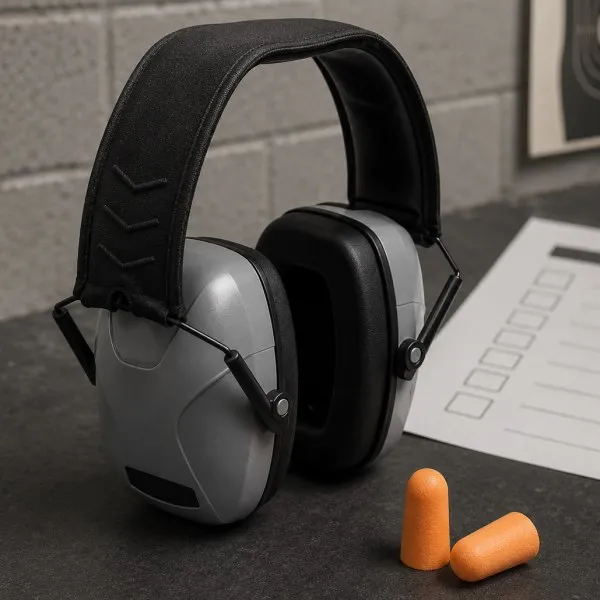
Most shooters land on one of three options. There is no single winner — it depends on the firearm, the range and whether you need to hear what is going on around you. For a broader device comparison, see our earmuffs vs earplugs guide.
Lightweight, low profile
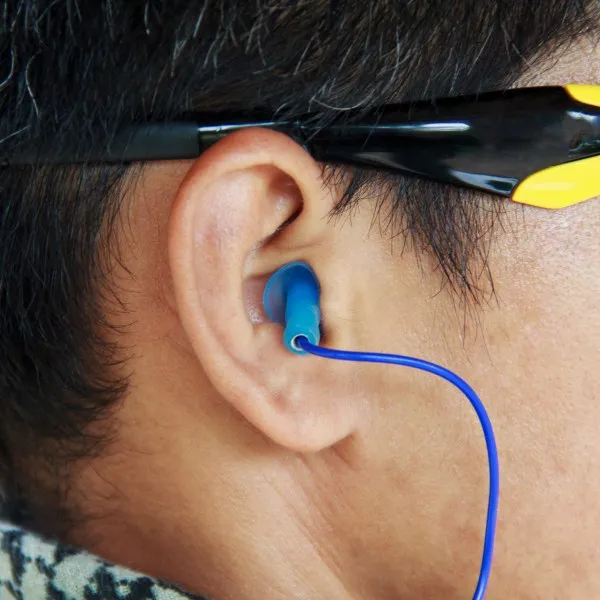
Foam or moulded plugs sit inside the canal. They are easy to carry and do not interfere with a rifle stock.

The easiest reliable seal
Over-ear cups seal around the ear, so a good fit is quick to get and easier to repeat across a session.
Hear commands, block the shot
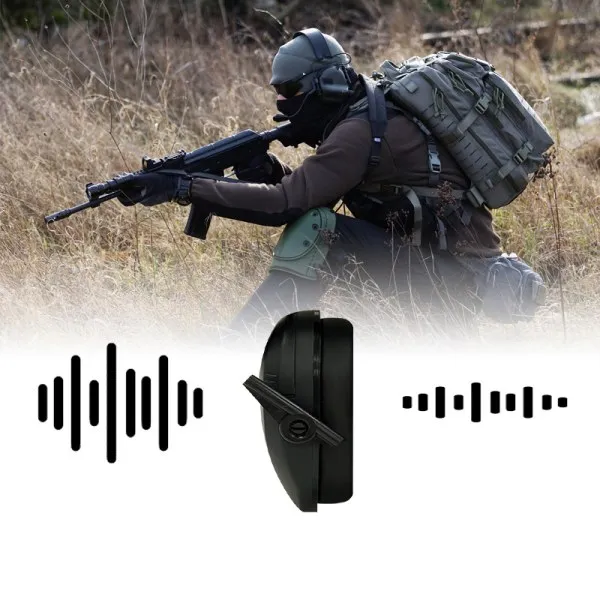
Microphones pass through speech and range commands, while sudden peaks are reduced before they reach the ear.
Why electronic earmuffs suit the range
Many instructors prefer electronic earmuffs for one practical reason: people can still hear commands. Quiet sounds stay audible, while sudden gunshot peaks are compressed quickly, then the audio opens back up.
For a range, club or private-label line, the key checks are response speed, cup profile, microphone consistency, battery reliability and whether the muff still seals with safety glasses. Our electronic ear muffs cover Bluetooth and radio builds for longer sessions.

Electronic earmuffs keep range commands audible while reducing sudden impulse peaks.
Match the earmuff to the firearm and fit
A few fit details decide whether protection holds up in practice.
Rifle & shotgun: a low-profile cup helps the earmuff clear the stock, so the cheek weld stays consistent and the cushion does not lift.
Pistol & general range use: a fuller cup is usually fine and often easier to seal.
Glasses: safety-glasses arms can open a small leak under the cushion. Softer cushions and thinner temples reduce the problem.
Women, youth and smaller heads: check band travel and clamp before buying in bulk. A loose adult muff can look correct but leak at the lower cushion.
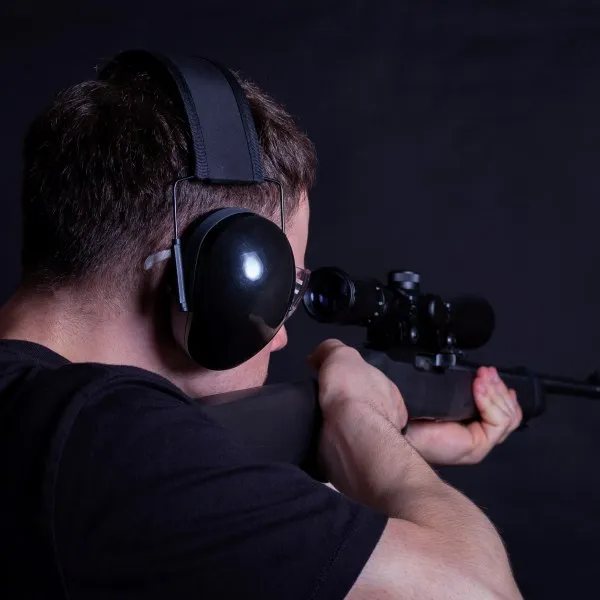
Indoor vs outdoor ranges
Outdoors, sound has more room to leave, so a well-sealed earmuff or plug in the right NRR range handles many shooting sessions. Indoors is harder: concrete lanes reflect the blast, so the same shot reaches the ear from several directions.
For indoor ranges, build around the worst case. Use a higher-rated, well-sealed muff, or wear plugs and earmuffs together for the loudest bays. If you only own one setup and shoot both indoors and outdoors, choose for indoor first.
A 30-second seal check before you shoot
- 1Put the protection on and settle the band or plugs the way you normally shoot.
- 2Cup your hands over the earmuffs, or press gently near each plug. The room should get noticeably quieter.
- 3Take your hands away. If the sound jumps up, the seal is leaking. Reseat the cushions, clear hair or glasses arms, and try again.
- 4For rifle work, mount the firearm and confirm the cup still clears the stock without lifting off your ear.
Sourcing shooting earmuffs for a range, club or brand
SafeMuff manufactures both electronic and passive earmuffs in-house, including low-profile builds for rifle use. We supply stock, custom colours, logo and private-label packaging for ranges, clubs and shooting brands — from samples to bulk.
See electronic earmuffs Request samples