Heavy equipment sites are hard on hearing protection programs for one reason: crews must stay protected and keep communication working. If workers remove hearing protection to talk, spot, or supervise, risk rises fast.
This guide is designed for supervisors and safety managers. It gives you two selection matrices (by task and by role), clear dual-protection triggers, a maintenance schedule, and a procurement checklist you can standardize across teams.
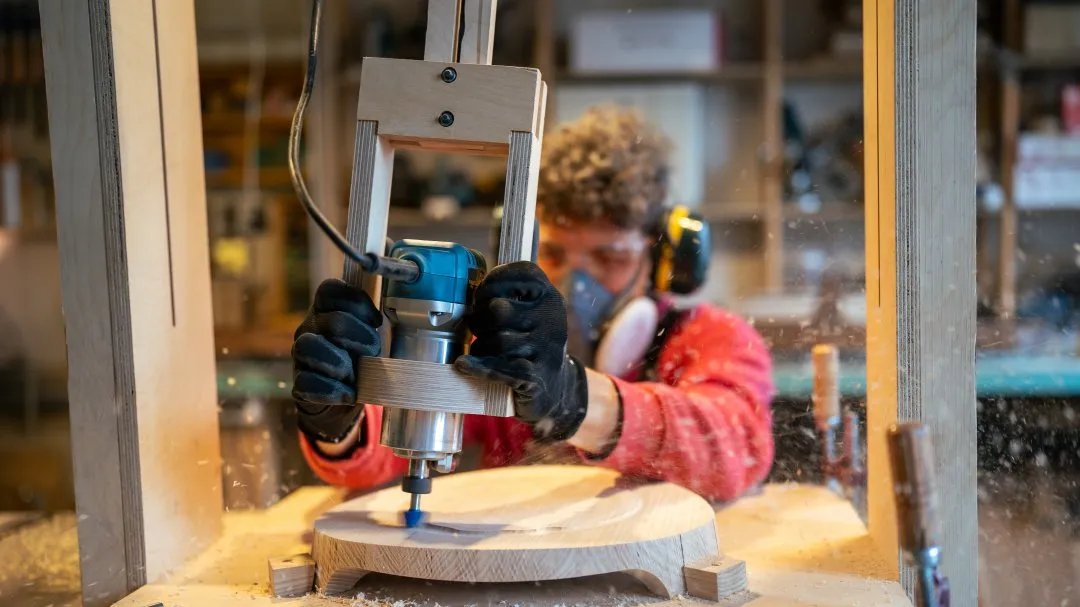
Heavy machinery noise is not one steady sound. In practice you manage:
That’s why the best program is built around task triggers + role defaults, not a single “one-size” product choice.


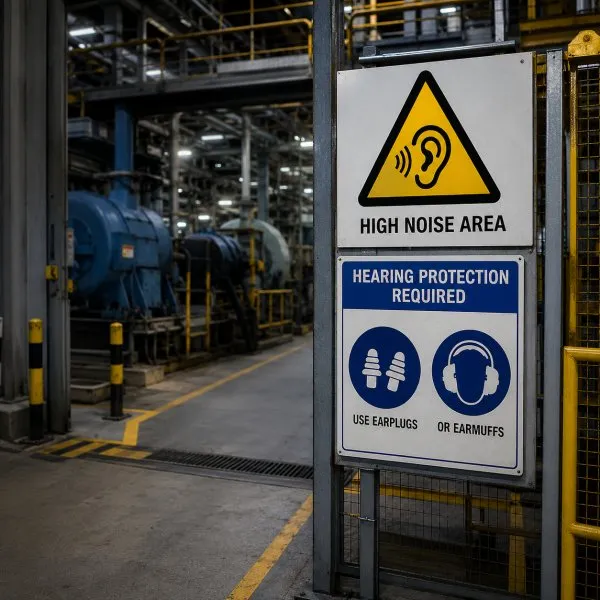
Treat dual protection as a task rule, not personal preference. Use it when:
Implementation: post triggers at the point of use and audit them the same way you audit other PPE compliance.
Most programs fail for predictable reasons. Use this checklist as a corrective action list:


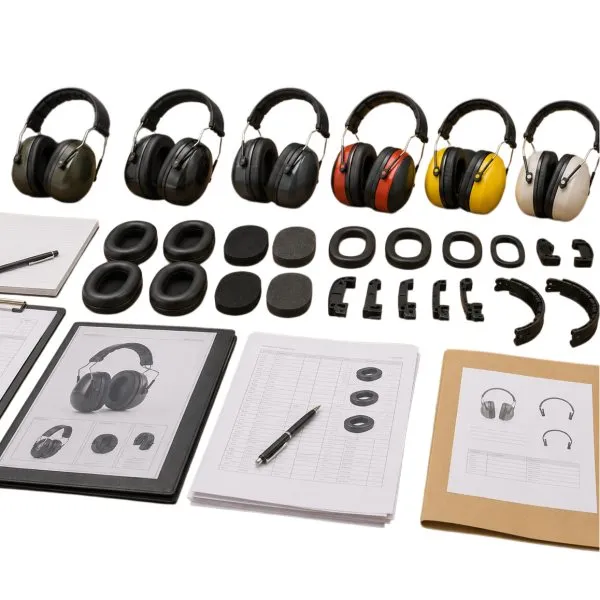
Use this as your RFQ template inputs:
Mandate it for cutting/grinding/breaking/impact-tool tasks, or whenever proximity and peak-heavy noise cannot be controlled by distance.
Communication and comfort. Fix both with a comms protocol and wearability/hygiene improvements.
Choose based on your PPE reality. If helmets are mandatory, helmet-mounted often prevents compatibility failures.
They can break the seal. Standardize compatible eyewear and include seal checks in onboarding.
Replace when they crack, harden, deform, or stop sealing reliably—harsh dust/oil/heat often shortens lifespan.
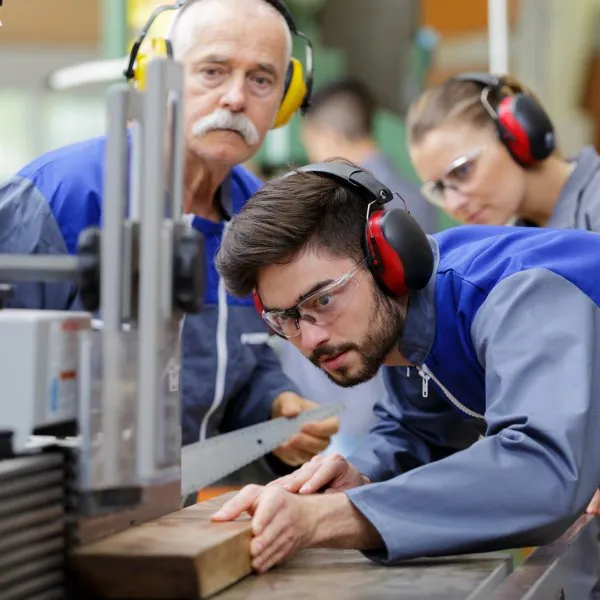
Standardize hand signals and radio calls and train them as part of the job. Removal to talk is a system problem.